How to Read a Spanish Menu: The Words That Decide Your Dinner
Spanish menus follow a pattern: ingredient plus preparation. Learn the eight cooking-method words and the forty terms that actually change what arrives at your table.
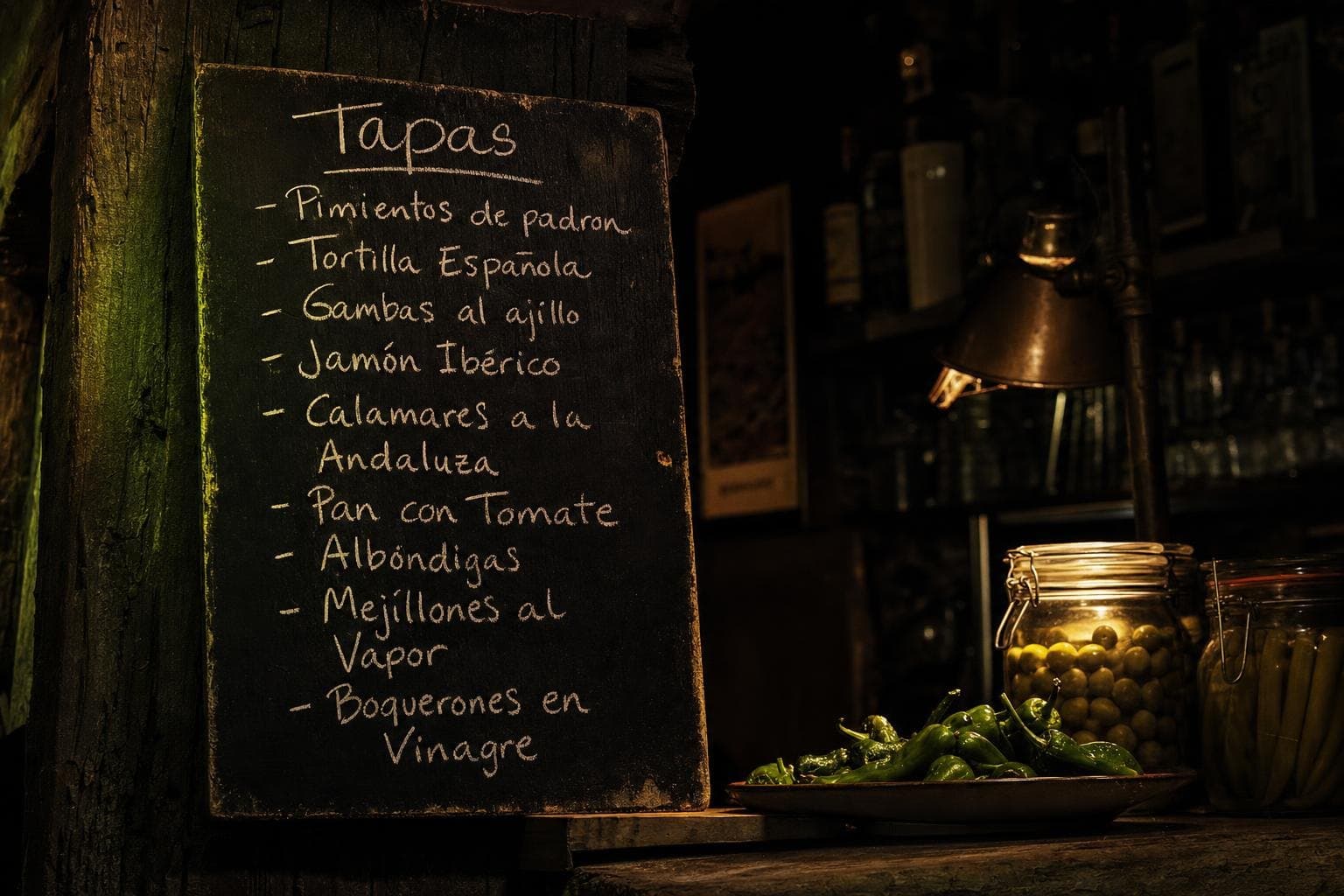
A Spanish menu is not a translation problem. It is a category problem. Once you can tell whether a dish is fried, grilled, stewed or cured, you can order well even when you do not recognise a single ingredient on the line.
This guide gives you the words that actually change what lands on the table — the cooking methods, the cuts, and the traps — plus the phrases worth saying out loud.
Start with the cooking method, not the ingredient
Most Spanish dish names follow the same shape: ingredient + preparation. Lubina a la plancha is sea bass on the griddle. Calamares a la romana is squid in batter, deep-fried. Same protein, very different meal.
Learn these eight and you have covered most menus in Spain:
| Spanish | What it means | Roughly |
|---|---|---|
| A la plancha | Seared on a flat griddle, little added fat | Lightest |
| A la brasa / parrilla | Over charcoal or grill bars | Light |
| Al horno | Baked or roasted in the oven | Moderate |
| Guisado / estofado | Slow-stewed, usually with oil and potato | Moderate to heavy |
| Rebozado | Coated in flour and egg, then fried | Heavy |
| A la romana | Battered and deep-fried | Heavy |
| Frito | Fried, full stop | Heavy |
| En salsa | In a sauce, often cream or reduced stock | Depends entirely |
If you read nothing else on a menu, read the preparation word. It is the single strongest predictor of how a dish will sit with you.
The section headings tell you the portion size
Spanish menus are organised by format, and the format decides quantity more than the dish does.
- Tapa — a few bites, often free with a drink in Granada and parts of León.
- Pincho / pintxo — a single-serving bite, usually on bread, standard in the Basque Country.
- Ración — a full sharing plate. Two raciones between two people is a large meal.
- Media ración — half of the above, and usually the right call.
- Menú del día — a fixed weekday lunch: starter, main, bread, drink and dessert or coffee.
The menú del día is the best-value meal in Spain and also the hardest to read, because it is often handwritten and abbreviated. If you only decode one thing on a chalkboard, decode the segundo — the main course.
Forty words that carry their weight
Proteins
Pollo chicken · cerdo pork · ternera beef or veal · cordero lamb · lubina sea bass · dorada sea bream · merluza hake · bacalao salt cod · atún tuna · boquerones anchovies · gambas prawns · pulpo octopus · chipirones baby squid · huevos eggs.
Vegetables and sides
Patatas potatoes · pimientos peppers · setas mushrooms · espinacas spinach · judías verdes green beans · berenjena aubergine · calabacín courgette · ensalada mixta mixed salad · verduras vegetables generally.
Words that quietly add several hundred calories
Alioli garlic mayonnaise · bravas fried potatoes with spicy sauce · croquetas fried béchamel · empanado breadcrumbed · torreznos fried pork belly · mantequilla butter · nata cream · chorizo and morcilla, which turn a bean stew into a very rich meal.
Words that signal a lighter plate
Al vapor steamed · crudo raw · aliñado dressed simply · a la plancha griddled · salpicón a cold chopped salad, usually seafood · escalivada roasted vegetables.
Three traps worth knowing
Ensalada is not automatically light. Ensalada mixta in Spain frequently arrives with tuna in oil, olives, white asparagus and a generous pour of oil. It is a good meal. It is not a diet plate.
Paella is a lunch dish. A restaurant advertising paella all day, with a photograph, in a tourist square, is not the paella you were promised. Look for a menu that lists it as a minimum for two people and a twenty-minute wait.
Pan y aperitivo may be charged. Bread, olives and the little dish that appears unrequested are often a line on the bill. It is normal, not a scam, and you can decline politely with «no, gracias».
Phrases that get you a better plate
- ¿Qué me recomienda? — What do you recommend? The single highest-return sentence in this article.
- ¿Lleva …? — Does it contain …? Follow with the ingredient.
- Sin salsa, por favor — Without the sauce, please.
- ¿Tienen media ración? — Do you have a half portion?
- Para compartir — To share. Sets the waiter’s expectations correctly.
If you are managing a food restriction rather than a preference, say it plainly and confirm it with the person serving you — a menu reading, including ours, cannot confirm allergy safety. Our guide to eating gluten-free in Italy covers how to phrase that conversation so it is actually understood.
Reading the menu in ten seconds instead of ten minutes
The method above works, and it takes practice. The reason we built NomadBite is that most people are standing outside a restaurant, hungry, with a queue behind them, and do not have ten minutes.
Point the camera at the menu, and you get each dish in English with an estimated calorie and protein range, ranked against the preferences and restrictions you saved earlier. The estimates are estimates — but they are enough to tell a lubina a la plancha from a calamares a la romana without knowing either word.
Next: how to hit a protein target from a restaurant menu when you have no idea what is in anything.
Keep reading
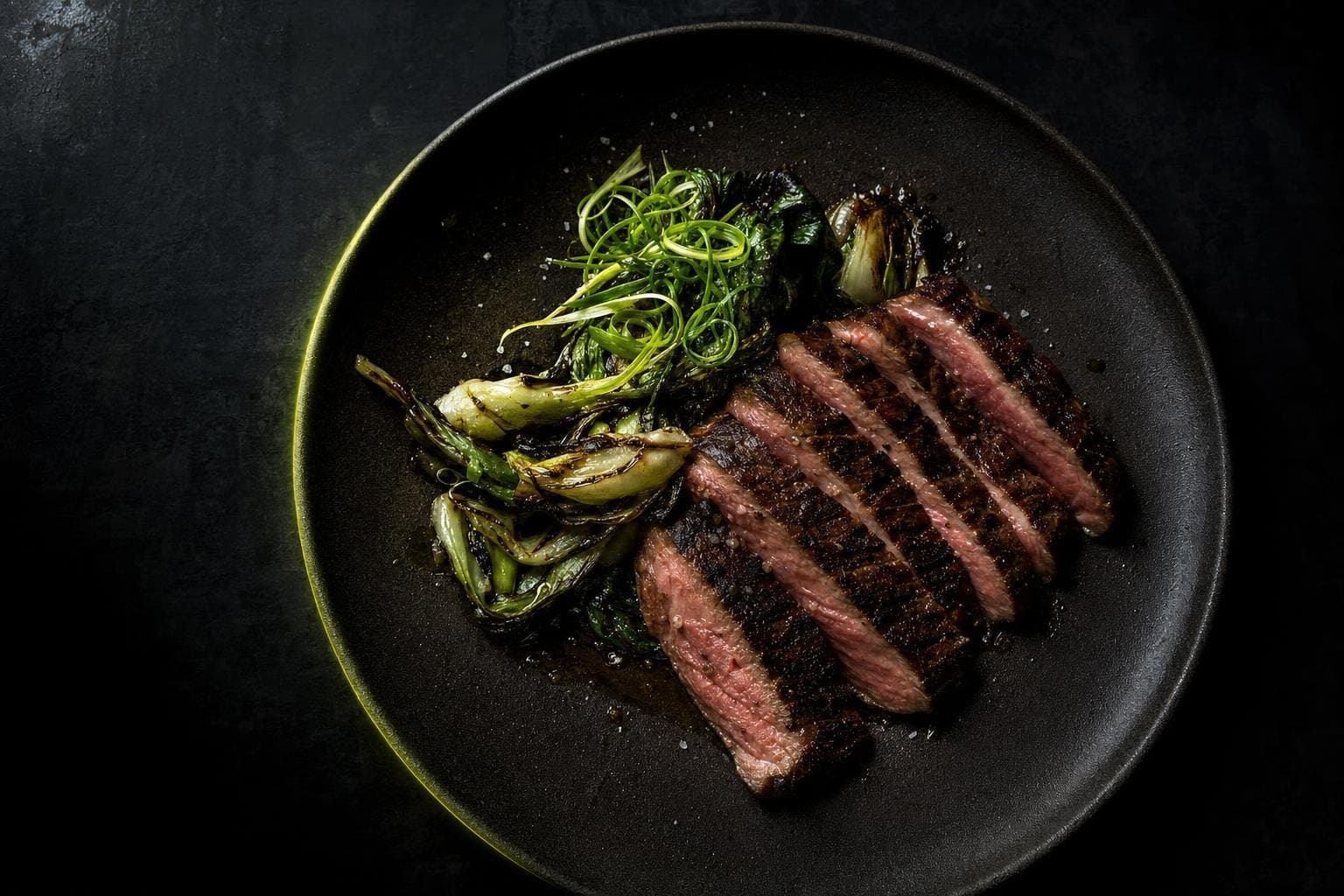
How to Hit Your Protein Target From a Restaurant Menu Abroad
A repeatable method for estimating protein from an unfamiliar menu: anchor on the protein, scan in three questions, and fix breakfast first.
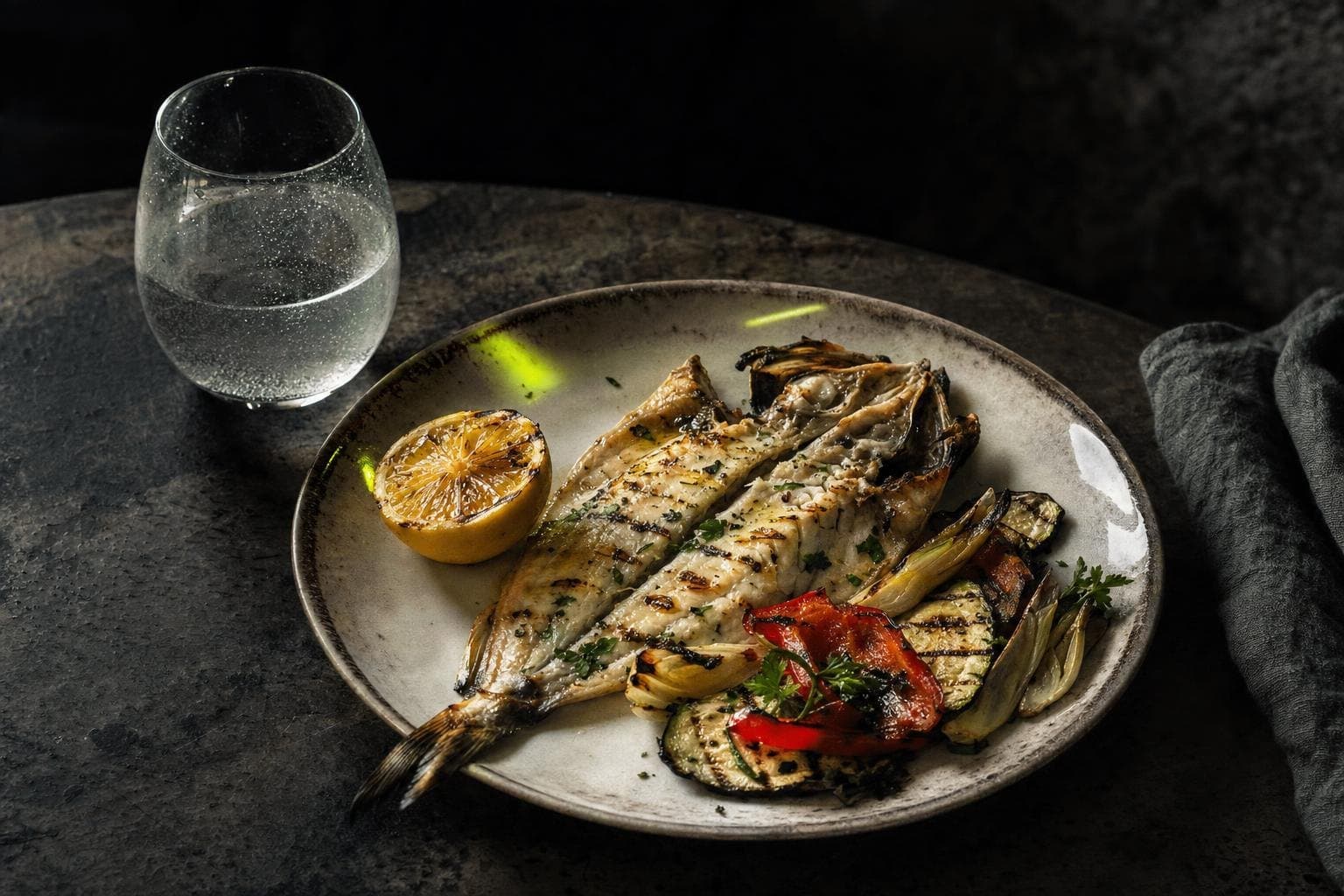
Eating Gluten-Free in Italy: What to Say and What to Order
Italy is one of the easiest countries in Europe to eat gluten-free — if you know the phrases, the naturally safe dishes, and the ones that only look safe.