How to Hit Your Protein Target From a Restaurant Menu Abroad
A repeatable method for estimating protein from an unfamiliar menu: anchor on the protein, scan in three questions, and fix breakfast first.
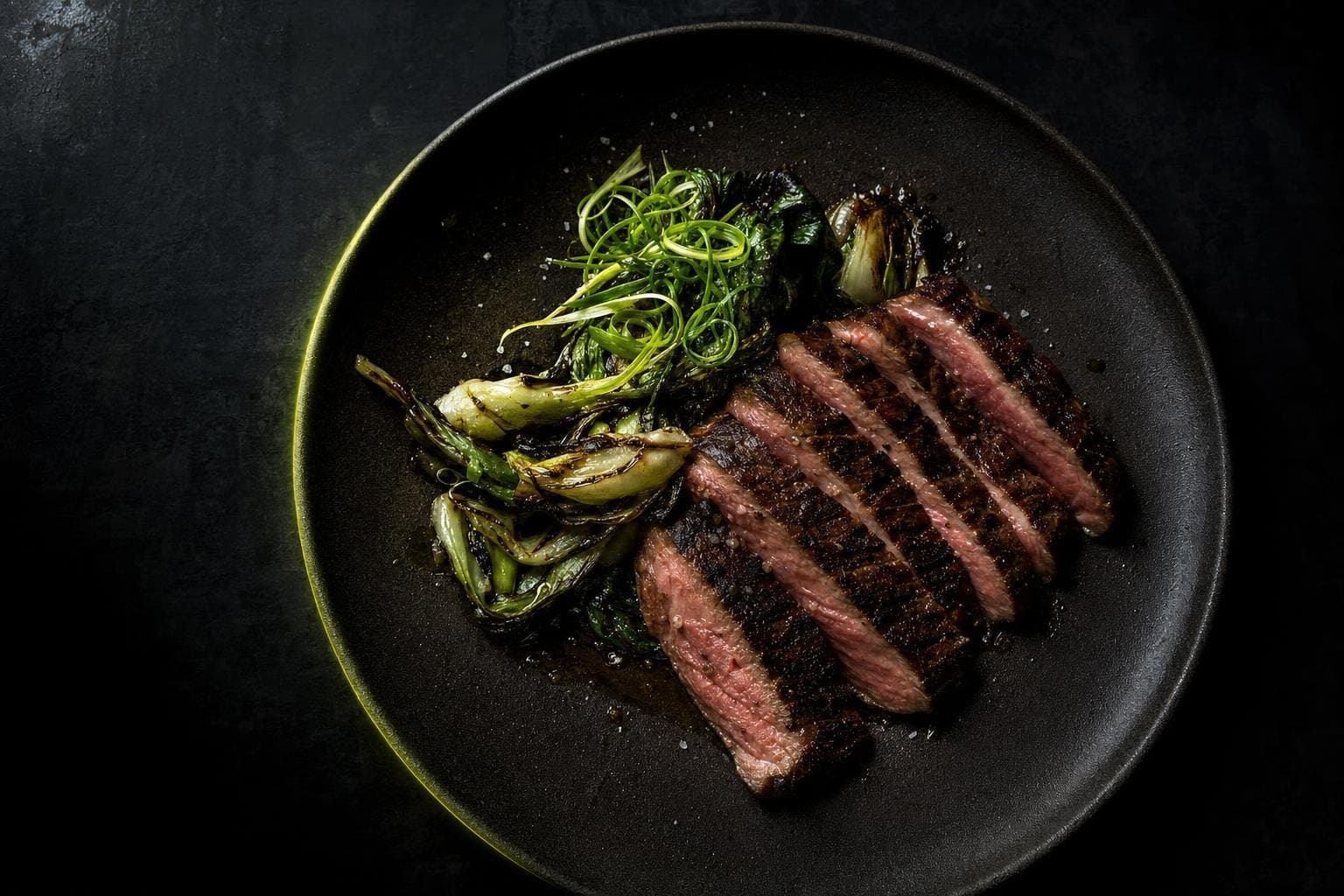
Tracking protein is straightforward at home, where you know the weights. It falls apart on a trip, where you are reading a menu in another language, the portions are unfamiliar, and nothing has a label.
You do not need precision. You need a method that gets you close enough, repeatedly, without ruining the meal.
Anchor on the protein, not the plate
Restaurant portions vary far less than they appear. Across most of Europe, a main-course protein lands in a predictable band:
| Dish | Typical serving | Rough protein |
|---|---|---|
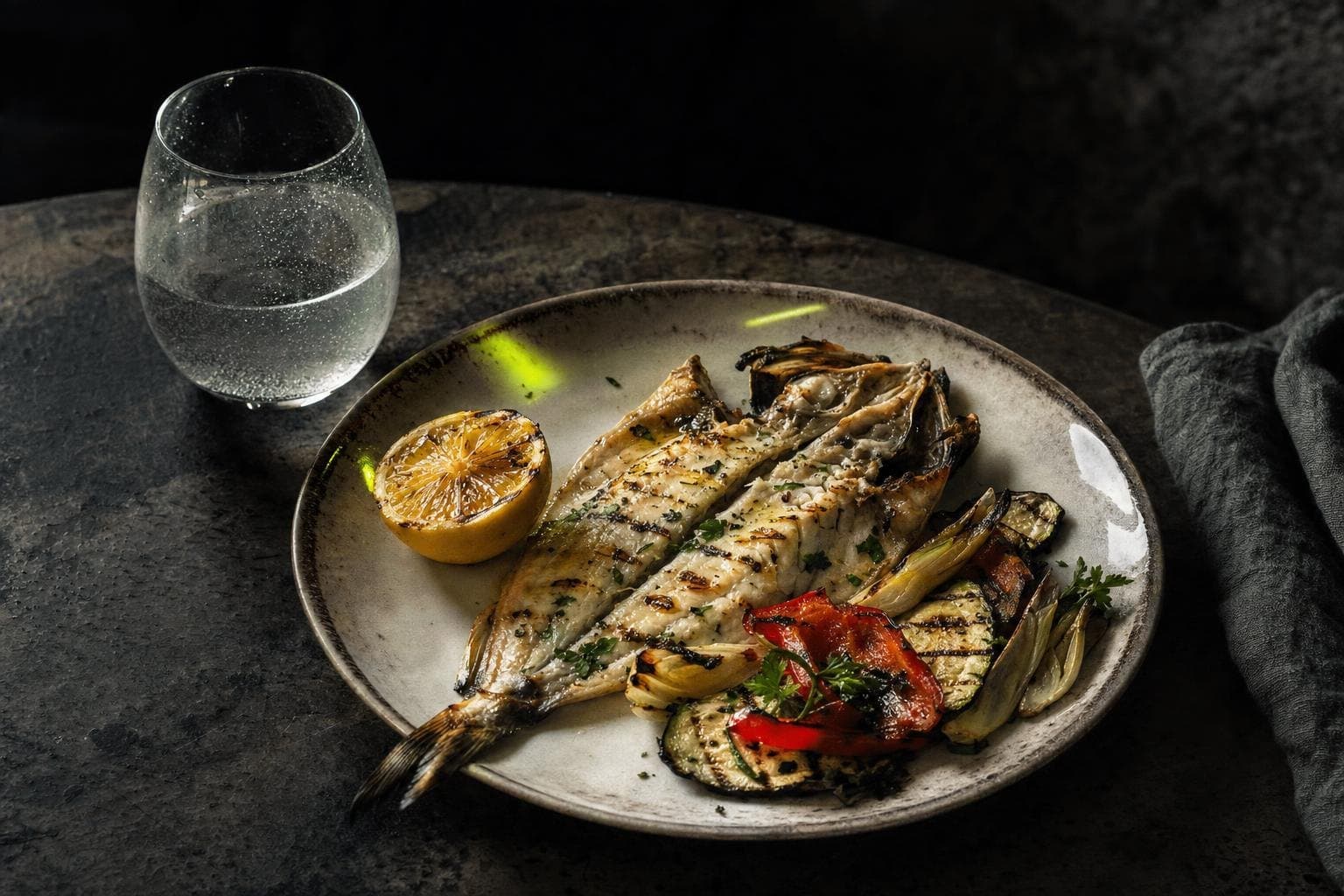
| Grilled fish fillet | 150–200 g | 30–40 g |
| Chicken breast | 150–200 g | 35–45 g |
| Steak | 200–250 g | 45–55 g |
| Two eggs | — | 12–14 g |
| Greek yoghurt, small pot | 150 g | 12–15 g |
| Hard cheese | 30 g | 8–10 g |
| Lentil or chickpea stew | 1 bowl | 12–18 g |
| Tuna, canned or seared | 100 g | 23–26 g |
These are estimates, and they are good enough. If your target is 120 g a day, three protein-anchored meals of roughly 35 g plus a snack gets you there without a scale.
The three-question scan
Work down any menu with the same three questions, in order:
- Where is the protein? Find the grilled, roasted or raw animal protein, or the legume dish. Ignore everything else for a moment.
- What is it cooked in? Griddled and grilled keep the number honest. Battered, breaded and creamed add calories without adding protein.
- What comes with it? Swap the default side if you can. Vegetables or salad instead of fries changes the meal more than the main does.
That is the whole method. It survives a language barrier because the cooking-method words are a short list — our guide to reading a Spanish menu covers the eight that matter most.
Breakfast is where most trips go wrong
A continental breakfast is close to zero protein: bread, jam, juice, coffee. Two croissants and an orange juice is roughly 500 calories and perhaps 8 g of protein, which means the rest of the day has to carry the entire target.
Fixes that work almost anywhere:
- Ask for eggs, even when they are not on the breakfast menu. Most kitchens will do them.
- Buy a pot of yoghurt and a bag of nuts on arrival. A 150 g pot plus 30 g of almonds is about 20 g of protein before you leave the room.
- In Spain, order tortilla de patatas — a slice is 10–14 g.
- In Italy, a caffè and a cornetto is 6 g. Add prosciutto or mozzarella from any bar counter.
- In Greece and Turkey, breakfast already contains eggs, cheese and yoghurt. Take advantage.
Eat the high-protein dish the country is already good at
Every food culture has a dish that happens to be protein-dense. Ordering it is easier than negotiating.
- Spain — pulpo a la gallega, gambas a la plancha, pescado a la plancha, tortilla.
- Italy — tagliata, pesce alla griglia, prosciutto e melone, bresaola.
- Portugal — bacalhau in most of its forms, grilled sardines, frango.
- Greece — souvlaki, grilled octopus, tzatziki with a large Greek yoghurt base.
- Japan — sashimi, yakitori, grilled mackerel set meals.
- Mexico — carne asada, pescado a la plancha, black beans as a genuine contributor.
What to do when you simply cannot tell
Sometimes the menu is handwritten, in a script you cannot read, and the waiter is busy. Two fallbacks:
Order two starters instead of a main. Starters are more often the simple, protein-forward plates — cured fish, grilled seafood, eggs, cheese — and two of them frequently beat one main on protein for the same money.
Assume the worst on sauce and the best on portion. If you cannot identify the sauce, count it as 200 calories. If you cannot identify the portion, assume it is at the low end of the table above. You will be slightly conservative, which is the right direction to be wrong in.
Where the guesswork stops
This is the exact problem NomadBite was built for. Photograph the menu, and each dish comes back in English with estimated calories and protein, ranked against the goals and restrictions you set once. The numbers are estimates, not lab values — but an estimate you have in five seconds beats a precise number you never look up.
If you are also managing a restriction, read eating gluten-free in Italy for how to handle the conversation with the kitchen.
Keep reading
Eating Gluten-Free in Italy: What to Say and What to Order
Italy is one of the easiest countries in Europe to eat gluten-free — if you know the phrases, the naturally safe dishes, and the ones that only look safe.
How to Read a Spanish Menu: The Words That Decide Your Dinner
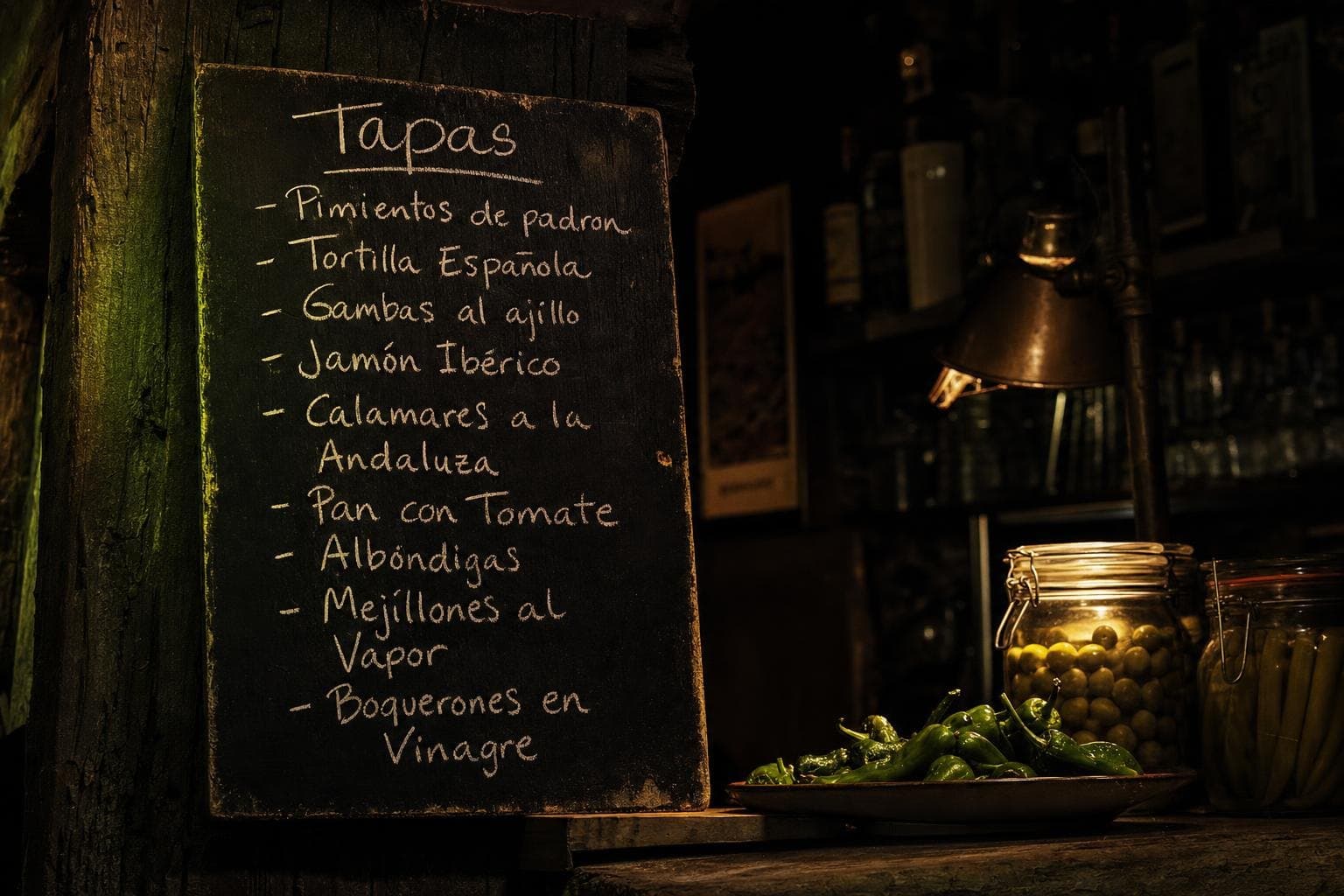
Spanish menus follow a pattern: ingredient plus preparation. Learn the eight cooking-method words and the forty terms that actually change what arrives at your table.