Eating Gluten-Free in Italy: What to Say and What to Order
Italy is one of the easiest countries in Europe to eat gluten-free — if you know the phrases, the naturally safe dishes, and the ones that only look safe.
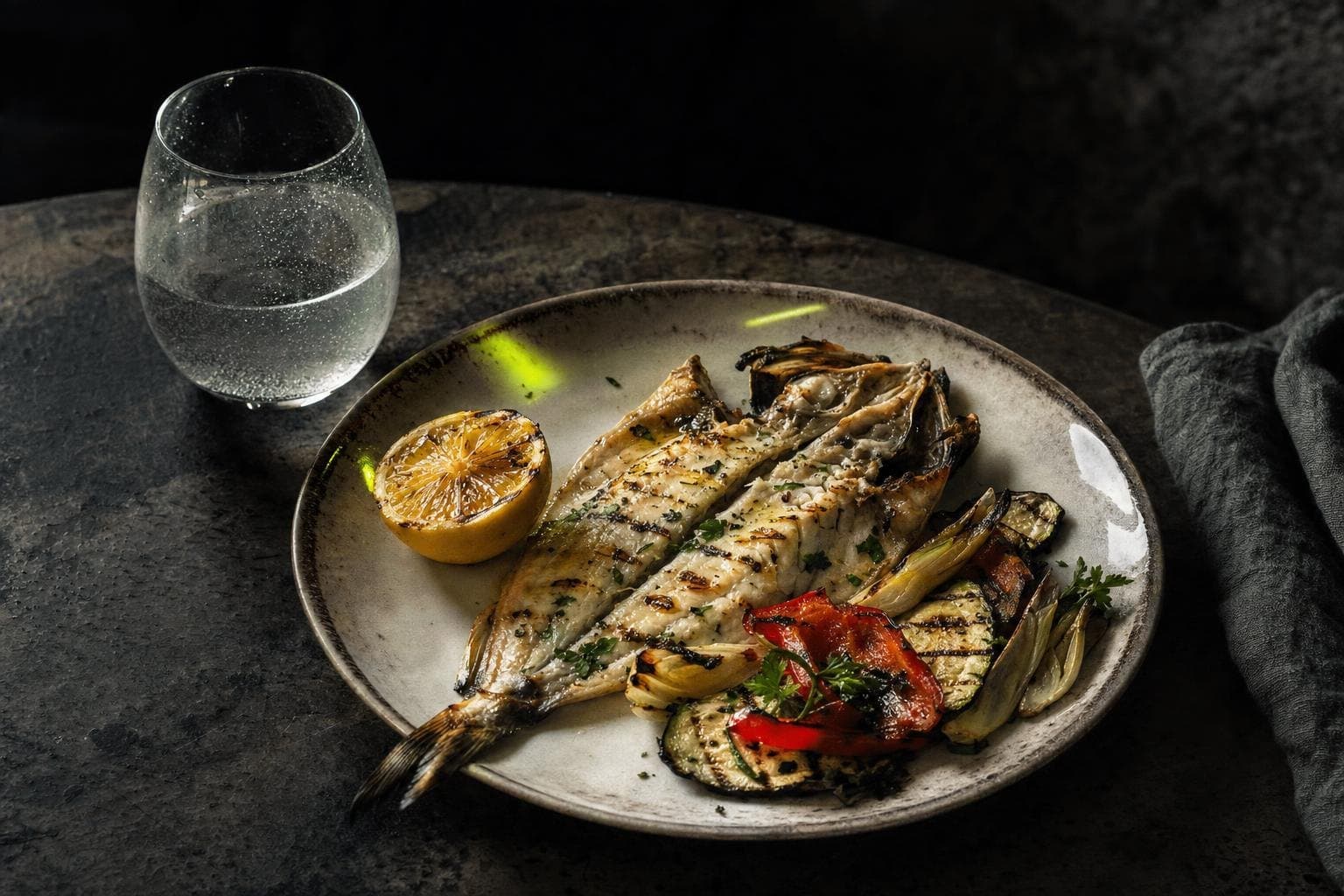
Italy is, counter-intuitively, one of the easiest countries in Europe to eat gluten-free. It has a high rate of diagnosed coeliac disease, a national association that certifies restaurants, and kitchen staff who generally understand what senza glutine means without a long explanation.
What follows is the practical version: the words, the safe dishes, the dishes that look safe and are not, and how to ask in a way that gets a real answer.
The words that matter
| Italian | English | When to use it |
|---|---|---|
| Sono celiaco / celiaca | I have coeliac disease | The most important sentence. Use the -a ending if you are female. |
| Senza glutine | Gluten-free | On menus, packaging and signage. |
| Contiene glutine? | Does it contain gluten? | For a specific dish. |
| Contaminazione | Cross-contamination | Understood in restaurants; worth saying explicitly. |
| Pentola separata | Separate pot | The thing you actually need for pasta. |
| Farina | Flour | Watch for it in sauces and in fried coatings. |
| Pangrattato | Breadcrumbs | Hidden in meatballs, stuffed vegetables, baked fish. |
Look for the AIC mark — the Italian coeliac association, Associazione Italiana Celiachia, runs a certification scheme and publishes a list of trained restaurants. A restaurant displaying it has staff who have been through their training.
Dishes that are naturally gluten-free
You do not have to live on substitutes. Large parts of Italian regional cooking never involved wheat in the first place.
- Risotto — rice-based, though the stock is worth asking about.
- Polenta — maize, standard across the north.
- Bistecca, tagliata, grigliata mista — plain grilled meat.
- Pesce al forno / alla griglia — baked or grilled fish, if it is not breadcrumbed.
- Caprese, prosciutto e melone, carpaccio — classic naturally gluten-free starters.
- Verdure grigliate, contorni — grilled vegetable sides, everywhere.
- Gelato — most flavours, though not all. Ask.
Dishes that look safe and are not
This is the list that catches people out.
- Polpette — meatballs almost always contain breadcrumbs.
- Fritto misto — fried seafood, coated in wheat flour by default.
- Salsa besciamella — béchamel is a flour-thickened sauce.
- Some risotti — a stock cube can contain wheat derivatives.
- Salumi — most cured meats are fine, but a few contain additives; certified brands are safer.
- Tiramisù, most dolci — assume they contain gluten unless the menu says otherwise.
- Shared fryers — gluten-free food cooked in oil that also fries breaded items is no longer gluten-free.
How to ask so you get a useful answer
There is a difference between “is this gluten-free?” — which can get a reflexive yes — and a question that forces the kitchen to actually check.
Buongiorno. Sono celiaco. Avete un menù senza glutine? Se prendo la pasta, potete usare una pentola separata?
Good morning. I have coeliac disease. Do you have a gluten-free menu? If I order pasta, can you use a separate pot?
The mention of a separate pot is the tell. A kitchen that is set up for coeliac guests will answer immediately and specifically. A kitchen that is not will hesitate — and that hesitation is the information you needed.
Gluten-free pasta is widely stocked, including in small trattorias. It is normally cooked to order, so expect a slightly longer wait, and take that wait as a good sign.
Supermarkets and pharmacies
Italian supermarkets carry a dedicated senza glutine aisle, and pharmacies stock gluten-free staples because certified products are part of the state provision for diagnosed coeliacs. If you are self-catering or want a reliable breakfast, both are easier than hunting for a café.
The part a menu reader cannot do
An app can read a menu, translate it, and flag the dishes that are likely to contain gluten. NomadBite does exactly that, and it will save you time on the obvious cases — the fritto misto, the polpette, the béchamel.
What it cannot do is tell you what happened in that kitchen: which pan, which oil, which surface. For a genuine allergy or coeliac disease, the menu is the start of the conversation and the person serving you is the end of it. Confirm it out loud, every time.
Related reading: how to read a Spanish menu, which applies the same “read the cooking method first” approach.
Keep reading
How to Hit Your Protein Target From a Restaurant Menu Abroad
A repeatable method for estimating protein from an unfamiliar menu: anchor on the protein, scan in three questions, and fix breakfast first.
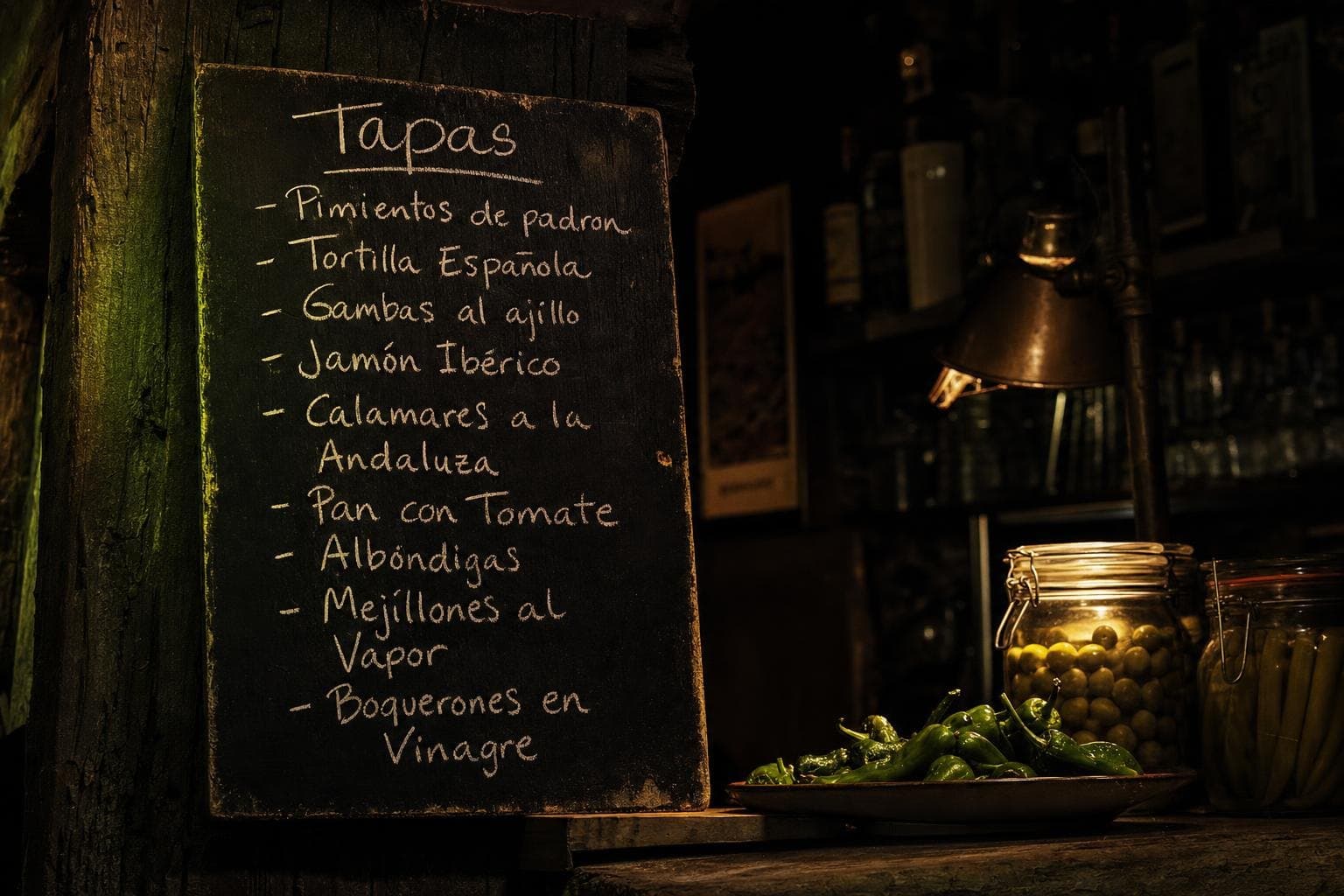
How to Read a Spanish Menu: The Words That Decide Your Dinner
Spanish menus follow a pattern: ingredient plus preparation. Learn the eight cooking-method words and the forty terms that actually change what arrives at your table.